MUSKEGON – The West Michigan Ironmen are champions of the American Indoor Football league for the second year in a row, but for fans, this year’s title may seem a little hollow.
Once again the Ironmen were snakebit by an opponent that did not show up, and what promised to be a highly competitive league championship game between West Michigan and the Cedar Rapids Titans never occurred.
The good news is that the Ironmen remain on a full-speed-ahead plan for next year. Team owner Mario Flores is continuing his effort to make the league more stable and have more reliable competition for his team.
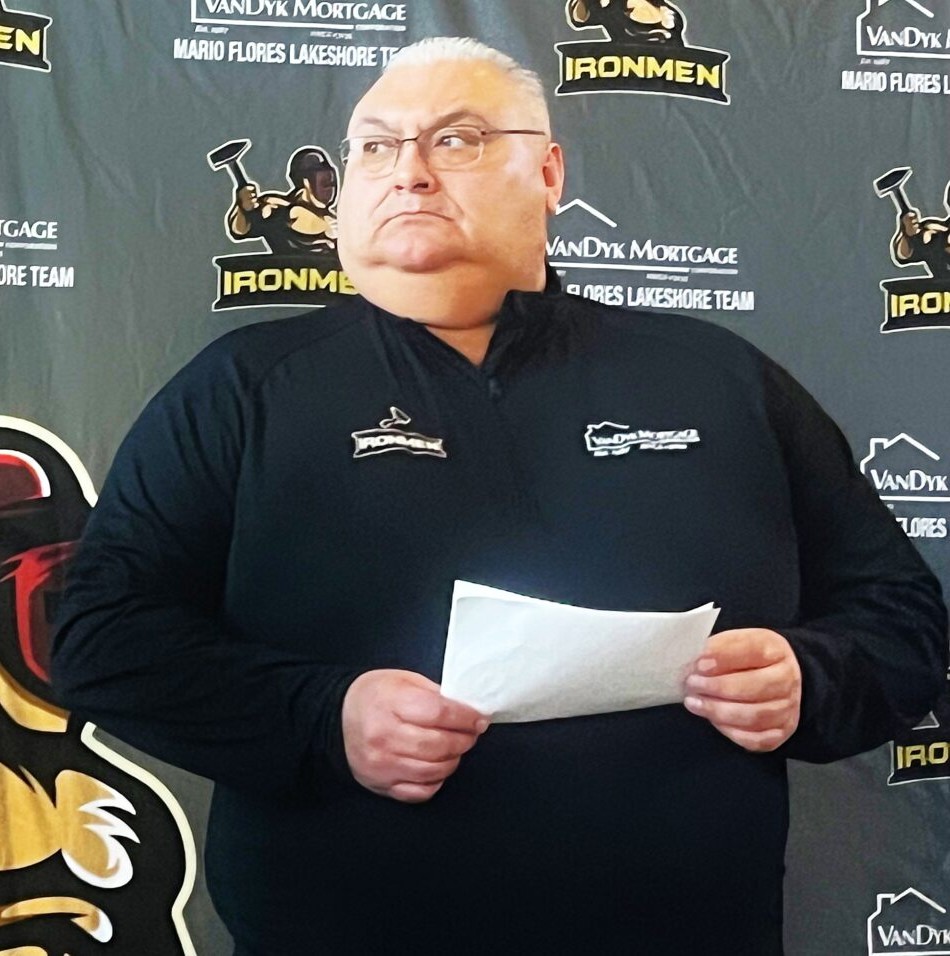
For starters, Flores and Ironmen general manager Nate Smith have become majority owners of the league.
Under their direction, the AIF will have a new financial system, mandating that all teams pay upfront one-time franchise fees and ongoing monthly dues, and in exchange the league will cover travel costs. The plan also mandates that “travel” teams that lack home arenas play all of their games in Muskegon or one other site, guaranteeing a full schedule of AIF games next year.
The league is also expected to double in size, because a Texas-based division of five teams, which was technically part of the AIF umbrella this season, is expected to align its schedule with the rest of the league next year, creating a two-division postseason playoff format.
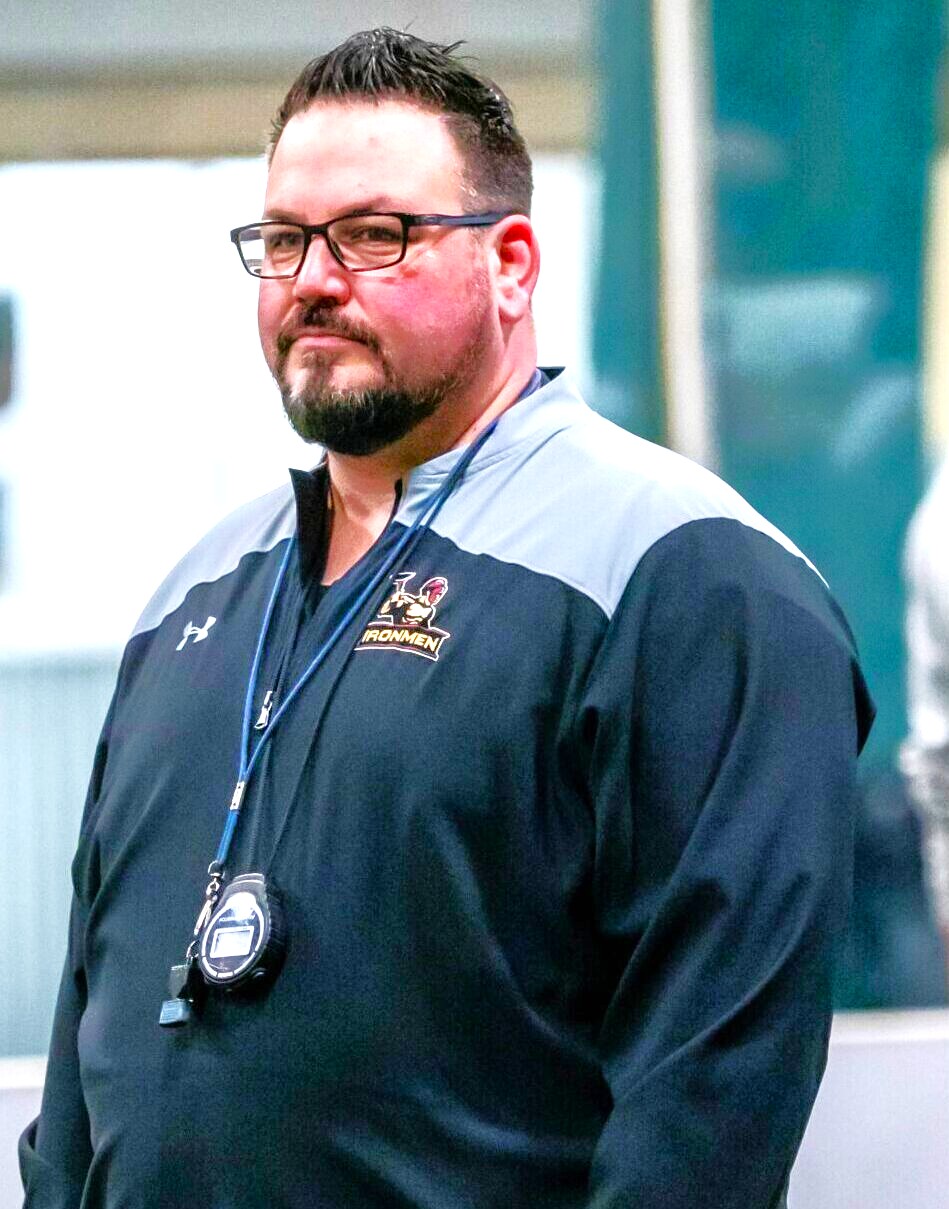
Meanwhile, the Ironmen have announced that Smith, who previously served as the Ironmen general manager and head coach, has returned to that dual role. Smith served in both roles during most of the team’s more successful seasons.
Terry Mitchell, the head coach for the past two years, accepted another job and resigned at the end of the season.
“I told Nate, here’s the deal – I don’t want to go searching for a new coach, I want you to do it again,” Flores said. “He is everything a head coach should be for an organization like ours. He’s been successful, he’s been through the highs and lows, and he can handle different types of personalities. That is huge.”
So the 2027 season is a definite go for the Ironmen, despite the frustration of a championship game that never happened.
And there is no reason why that should not be the case.
The fact is that the Ironmen are a stable, 11-year-old franchise with a very loyal fan base, a substantial corporate sponsor base, and a history of success on the field.
The trouble is that the team is a solid island in an ocean full of unstable franchises in arena football. Flores has spent years trying to find a quality league with reliable opponents, because he loves his team and doesn’t want to disappoint the fans.
“The fans have been outstanding,” Flores said. “The fan base is growing every year. Attendance was higher this year than it was last year. I love our fans and our community. If the fan base was shrinking, we would have a problem, but that’s not the case at all.
“I believe we have just scratched the surface of what this could be.”
The championship game snafu
Ironically, it was not one of the AIF’s weaker members that created the issue surrounding the canceled championship game. It was the Cedar Rapids Titans – the other most stable team in the league – that failed to show up.
The Ironmen were supposed to host the Titans in the championship game on May 9 at Muskegon’s Trinity Health Arena. It might have been a very exciting contest, because the Ironmen had beaten the Titans in a nail-biter in Cedar Rapids just weeks before.
Unfortunately Cedar Rapids ran into a problem, because the team had secured seasonal housing for its players at a local apartment complex, and the lease expired May 5, according to Flores.
The apartment complex would not extend the lease, the players had no place to go, so the team called it a season and everyone went their separate ways, Flores said.
So the Ironmen became AIF champions by default.
“I offered the apartment complex (near Cedar Rapids, Iowa) $5,000 for a two-week extension, but they would not do it,” Flores said. “Then I suggested the 16th for the game, and asked their owner to get his team back and organized.
“We were going to bring the team here on Wednesday (before the Saturday game) and let them practice. The league offered to pay for transportation and we were going to put the players up for a few days. But half of the team had already gone home and some were already playing in summer semipro leagues.
“Their owner and general manager said no, they were done, and they were not coming.”
A new plan for a stable AIF
That odd snafu, as disappointing as it was, is not keeping Flores, the Ironmen and the AIF from moving forward with big plans for next season.
The AIF’s midwest operation finished with four teams this year – the Ironmen, Cedar Rapids, Pennsylvania and Central New York. As many as three new teams are expected to join that group next year, from Baltimore, the state of Delaware – and perhaps Wheeling, West Virginia, according to Flores.
That will create a Great Lakes division, and the Texas teams in the league, which are currently playing their own separate season, will create a Lone Star division and compete at the same time as the Great Lakes teams next year, Flores said.
Teams from the two divisions will not play during the regular season, due to travel costs, but will meet in the playoffs.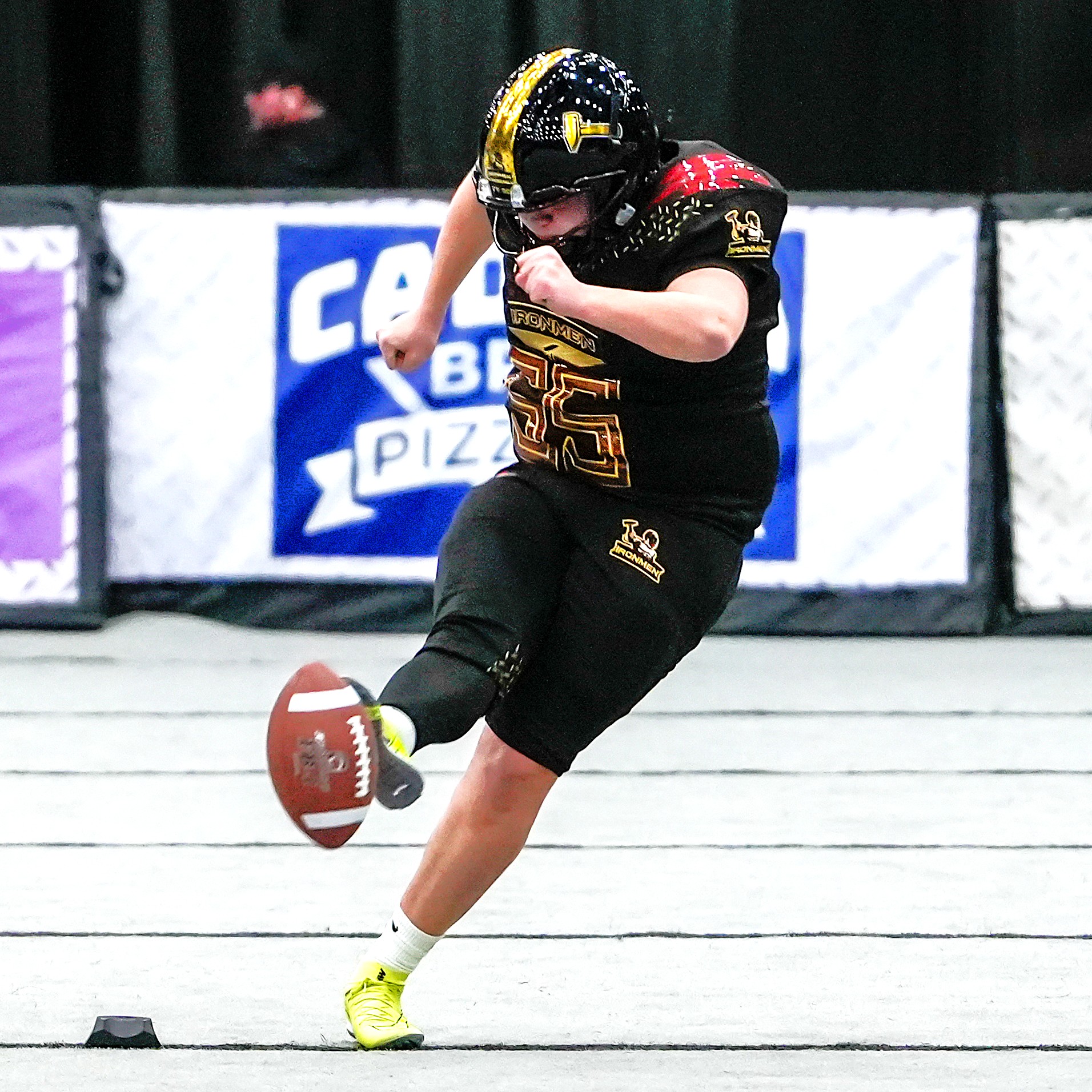
The Texas teams currently competing are the Odessa Drillers, Midland Frac-Attack, Lewisville Savage, Lone Star Pitbulls and Austin Falcons.
Meanwhile, Flores’ new rules for league operations require travel teams that lack home arenas to pay a one-time $3,500 franchise fee, plus $1,000 per month in dues. Teams with arenas will pay a $10,000 franchise fee plus the monthly dues.
The tradeoff will be that the league will cover team travel expenses.
“All they will have to do is show up,” Flores said.
The league will take another step toward stability by having the “travel” teams without arenas – currently Pennsylvania and Central New York – play all of their games in Muskegon or Cedar Rapids, on the same days that the Ironmen or Titans have home games.
In Muskegon, that would create a fun scenario where local fans could watch two or three games in one long day of arena football, with the Ironmen playing in the prime time slot at 7 p.m.
This season the travel teams sometimes ran into trouble finding buildings to host games, so every team did not end up playing an equal number of games.
“I have learned more about arena leagues every year,” Flores said. “What I found out – and it doesn’t matter what level you are at – is that there are teams not paying their bills and not finishing their seasons. This addresses those problems head on.”
Flores said that some people have urged him to move the Ironmen into one of the larger, more stable arena football leagues, but playing in a regional league, with opponents that are geographically closer to Muskegon, is financially necessary, he said.
“We would not have a team,” he said. “It would cost $200,000 to $300,000 to get in, and then there would be travel expenses to take the team all over the country. It’s just not feasible.”
Leave a comment
COMMENTS POLICY: We have no tolerance for messages of violence, racism, vulgarity, obscenity or other such discourteous behavior. Thank you for contributing to a respectful and useful online dialogue.